The Romantic era
1820–1900
Big emotions, bigger orchestras — music about love, nature, nations and stormy hearts.
The sound of the Romantic
Romantic composers put feeling first. Melodies soar and ache, harmonies grow rich and restless, and the orchestra swells to over a hundred players capable of anything from a heartbeat whisper to a thunderclap. Music starts telling stories — of swans and heroes, forests and storms — and composers pour their homelands into it, weaving in the folk tunes and dances of Poland, Russia or Hungary. It is the golden age of the piano and of the virtuoso superstar, and of the art song, where a single voice and piano hold an entire world of emotion.
What to listen for
- Long, soaring melodies that seem to breathe and yearn
- Extreme contrasts — thunderous climaxes fading to a whisper
- Stories told in sound: a swan's theme, a storm, a ride to the abyss
- Rubato — the pianist bending time, lingering on a note like a sigh
The world at the time
The world accelerated: railways stitched countries together from 1825, the telegraph flashed messages across oceans, and photography froze faces in time — including Chopin's. Queen Victoria presided over a vast empire, Darwin's On the Origin of Species shook humanity's view of itself, and Dickens and Hugo filled novels with the century's struggles. Revolutions swept Europe in 1848, and new nations — Germany, Italy — were forged. Amid all this machinery and upheaval, audiences longed for feeling, fantasy and home: exactly what Romantic music delivered.
Romantic orchestras kept swelling through the era — from around 60 players early on to 100 by its end, as valved brass and a full percussion section arrived. See the full growth across all five eras on the orchestra history wall chart →
9 composers of the Romantic — meet them
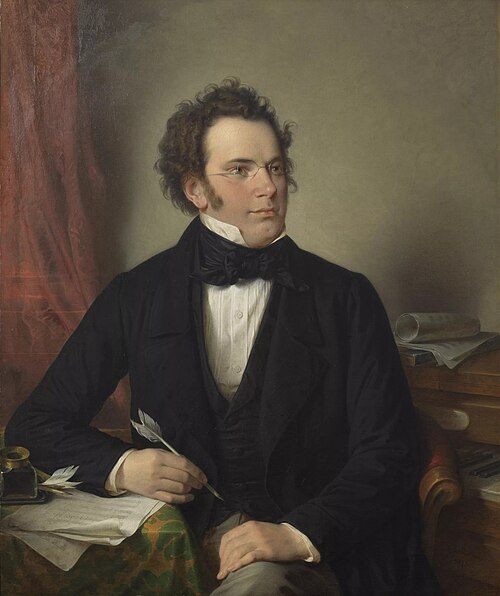 Franz Schubert
1797–1828
Franz Schubert
1797–1828
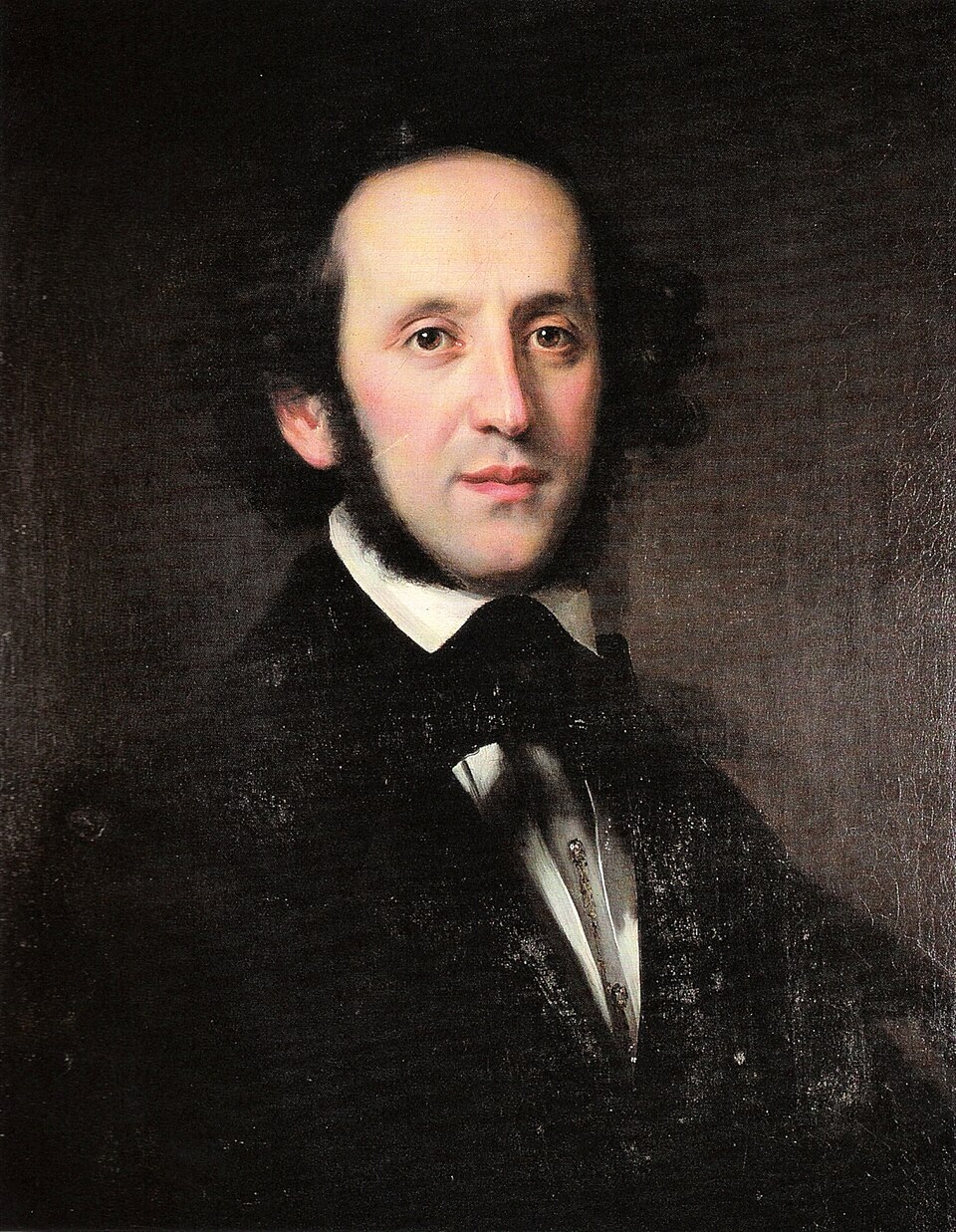 Felix Mendelssohn
1809–1847
Felix Mendelssohn
1809–1847
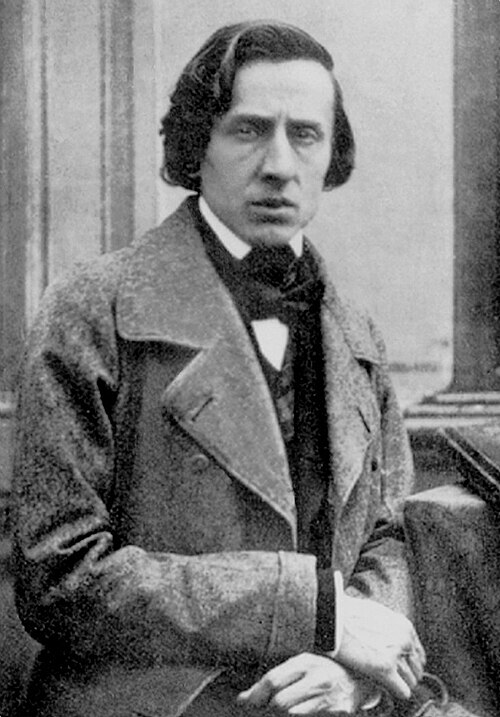 Frédéric Chopin
1810–1849
Frédéric Chopin
1810–1849
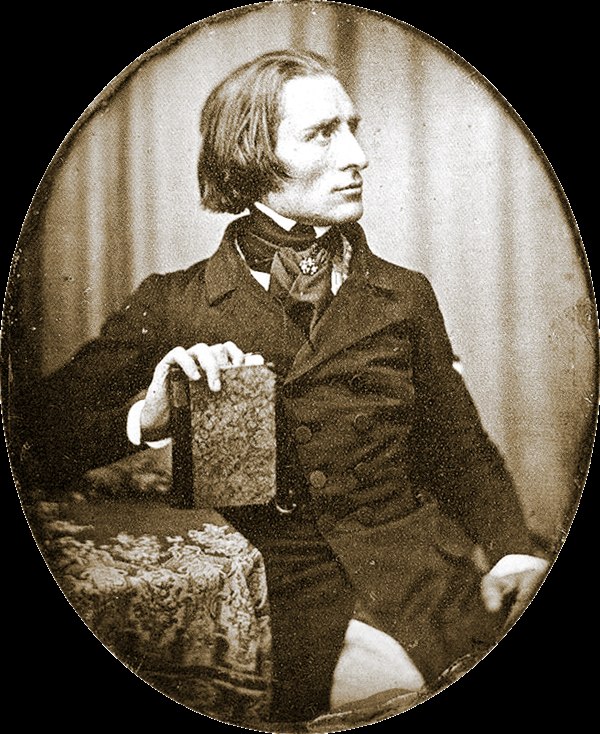 Franz Liszt
1811–1886
Franz Liszt
1811–1886
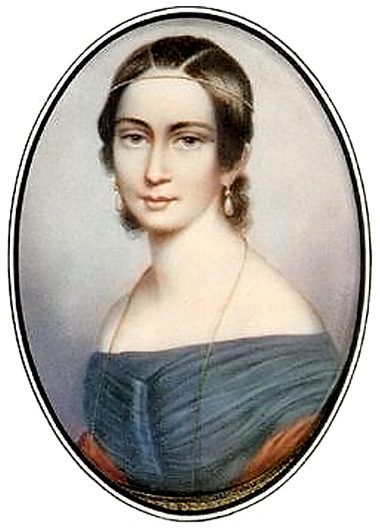 Clara Schumann
1819–1896
Clara Schumann
1819–1896
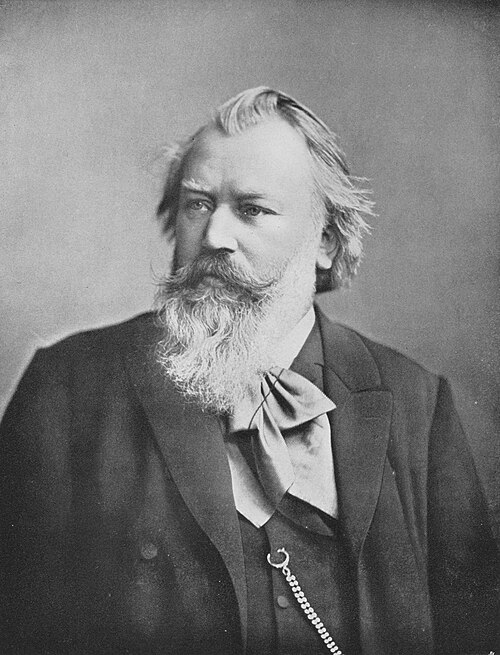 Johannes Brahms
1833–1897
Johannes Brahms
1833–1897
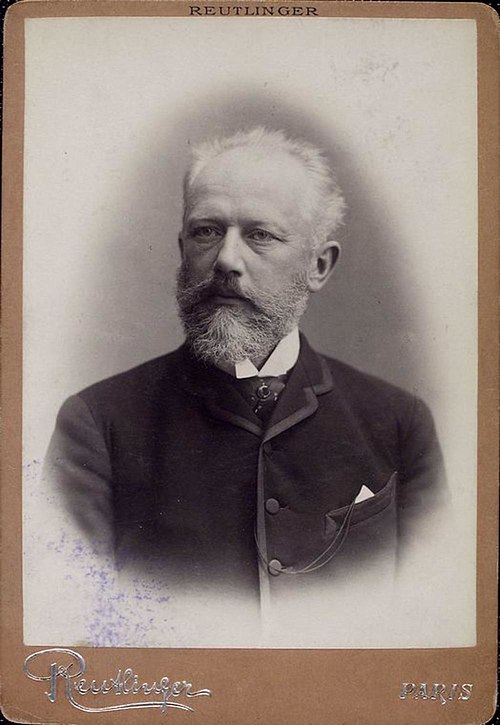 Pyotr Ilyich Tchaikovsky
1840–1893
Pyotr Ilyich Tchaikovsky
1840–1893
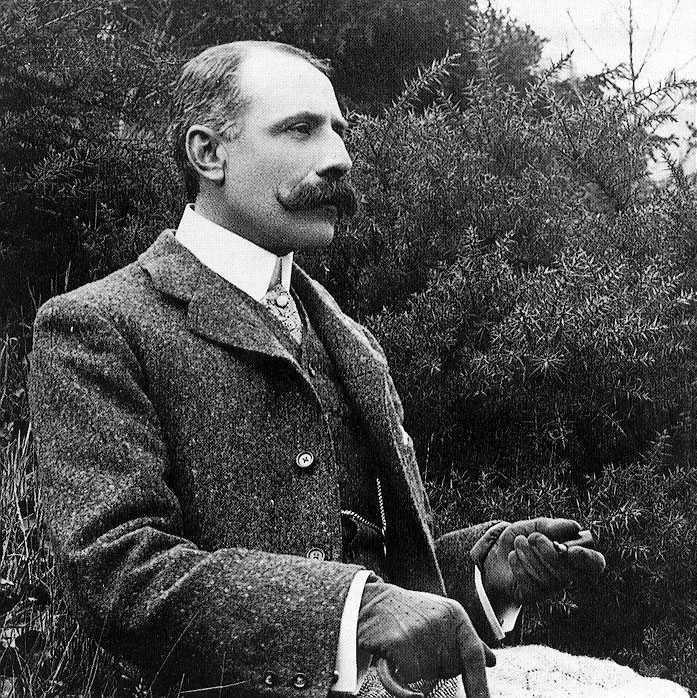 Edward Elgar
1857–1934
Edward Elgar
1857–1934
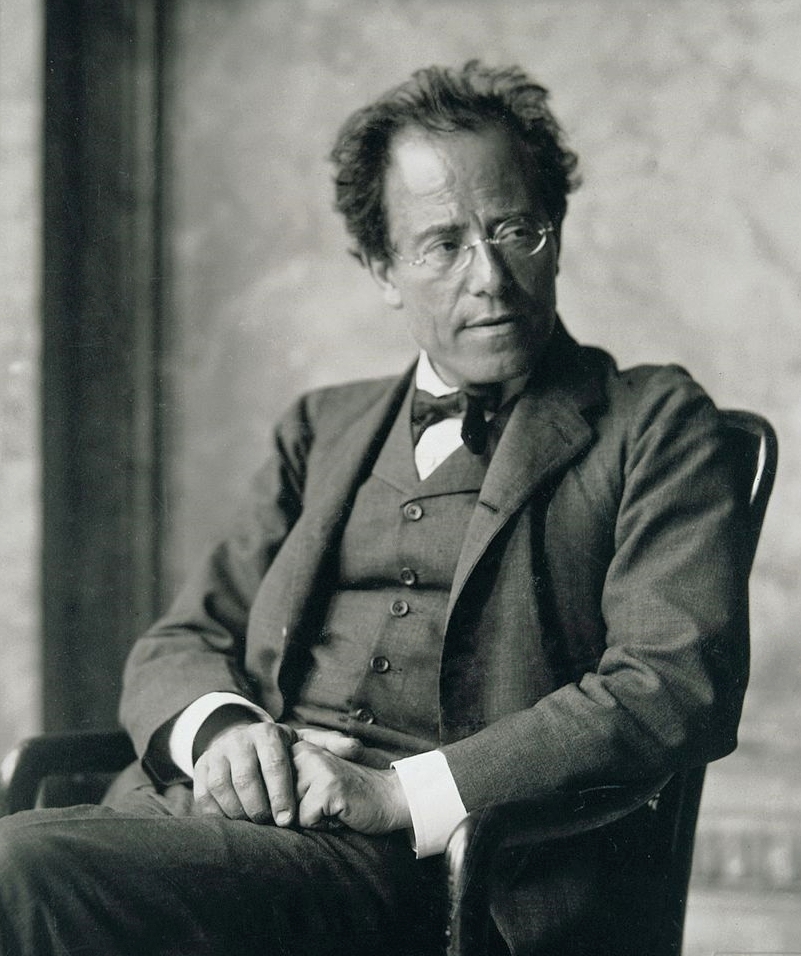 Gustav Mahler
1860–1911
Gustav Mahler
1860–1911
Notable people of the age
- Franz Grillparzer (1791–1872) — Viennese poet and friend who wrote Schubert's epitaph: 'Music has here buried a rich treasure, but far fairer hopes.'
- Caspar David Friedrich (1774–1840) — Painter of lonely wanderers and moonlit landscapes — the Romantic mood in pictures.
- Lord Byron (1788–1824) — Superstar Romantic poet whose fame swept the Europe of Schubert's youth.
- Simón Bolívar (1783–1830) — 'The Liberator' freeing South America while Schubert wrote songs.
- Fanny Mendelssohn (1805–1847) — His brilliant elder sister and closest musical confidante — a gifted composer in her own right.
- Queen Victoria (1819–1901) — A devoted fan who sang his songs and welcomed him to Buckingham Palace.
- Johann Wolfgang von Goethe (1749–1832) — The aged giant of German literature, who befriended the boy prodigy.
- George Sand (1804–1876) — Famous novelist (real name Aurore Dupin) and Chopin's partner for nine years.
- Eugène Delacroix (1798–1863) — Great Romantic painter and close friend — his unfinished double portrait of Chopin and Sand is legendary.
- Victor Hugo (1802–1885) — Author of Les Misérables, star of the same Paris salons.
- Hans Christian Andersen (1805–1875) — Spinning fairy tales in Denmark while Chopin spun nocturnes in Paris.
- Richard Wagner (1813–1883) — The revolutionary opera composer Liszt championed — and who married Liszt's daughter Cosima.
- Hector Berlioz (1803–1869) — The daring French composer whose vivid orchestral storytelling Liszt admired and promoted.
- Charles Dickens (1812–1870) — Writing Oliver Twist and A Christmas Carol during Clara's touring years.
- Florence Nightingale (1820–1910) — Founder of modern nursing — another woman rewriting the rules of her era.
- Charles Darwin (1809–1882) — Published On the Origin of Species in 1859, mid-career for Clara.
- Thomas Edison (1847–1931) — His phonograph captured Brahms playing piano in 1889.
- Mark Twain (1835–1910) — Writing Tom Sawyer while Brahms wrote his First Symphony.
- Leo Tolstoy (1828–1910) — The great novelist wept hearing Tchaikovsky's music — a compliment the composer never forgot.
- Claude Monet (1840–1926) — Born the same year — painting impressions of light while Tchaikovsky painted feelings in sound.
- Alexander II (1818–1881) — The reforming tsar of Tchaikovsky's youth, assassinated in 1881.
- Sir Arthur Conan Doyle (1859–1930) — Creator of Sherlock Holmes — a fellow lover of puzzles and codes, like the secret in the Enigma Variations.
- Rudyard Kipling (1865–1936) — The writer who gave the same confident, imperial Britain its words as Elgar gave it music.
- Richard Strauss (1864–1949) — The other great composer-conductor of the age, both rival and friend to Mahler.
- Sigmund Freud (1856–1939) — The founder of psychoanalysis, whom the troubled Mahler once consulted.
- Gustav Klimt (1862–1918) — The painter of shimmering gold whose glittering Vienna was Mahler's world too.