The Baroque era
1600–1750
Ornate, dramatic music of courts and churches — fugues, concertos and opera are born.
The sound of the Baroque
Baroque music is grand, busy and dramatic — like the gilded palaces it was written for. Opera is born in Italy and sweeps Europe; the concerto pits a dazzling soloist against the orchestra; and the fugue sends one theme chasing itself through every voice. Underneath nearly everything runs the basso continuo — a harpsichord and cello 'engine room' laying down the harmony. Melodies are decorated with trills and flourishes like golden ornaments, and each movement commits to a single vivid mood, driven by a steady, unstoppable pulse.
What to listen for
- A steady, motoring pulse that never lets up — feel it drive forward
- Trills and curling decorations on the melody, like carved gold
- Echo effects: a phrase played loud, then instantly repeated soft
- A fugue's single theme entering again and again, voice after voice
The world at the time
This was the age of magnificent kings and revolutionary science. Louis XIV, the 'Sun King', built Versailles and made splendour a tool of power — every court in Europe wanted its own orchestra to match. Meanwhile Galileo pointed telescopes at the sky, Isaac Newton explained gravity and the laws of motion, and Peter the Great dragged Russia into the modern age, founding St Petersburg in 1703. Trade ships linked continents, coffee houses buzzed with new ideas, and churches and princes competed to employ the greatest musicians — among them Bach, Handel and Vivaldi, all born within four years of each other.
A Baroque orchestra numbered around 20 players — three or four strings to a part, led from the harpsichord with no conductor at all. See the full growth across all five eras on the orchestra history wall chart →
6 composers of the Baroque — meet them
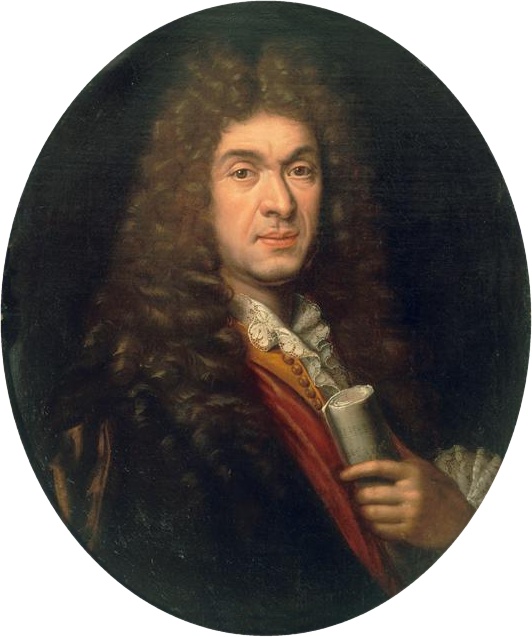 Jean-Baptiste Lully
1632–1687
Jean-Baptiste Lully
1632–1687
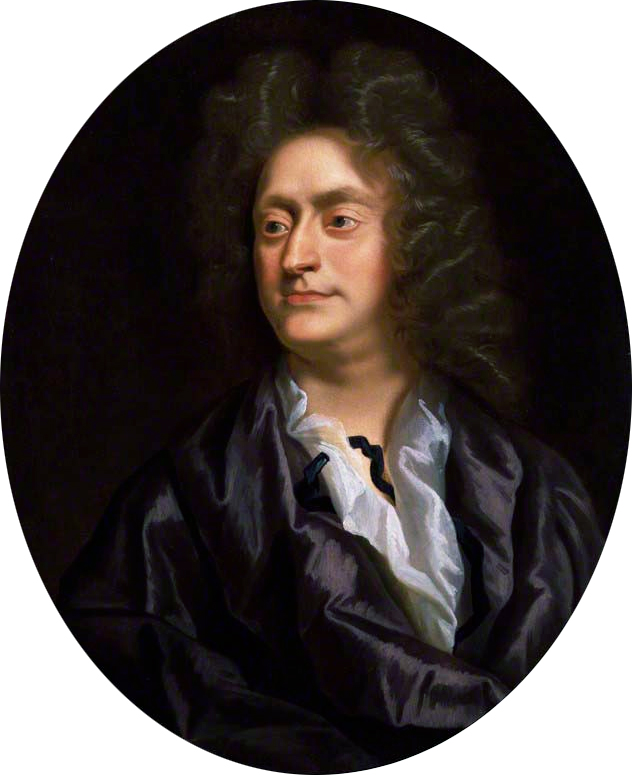 Henry Purcell
1659–1695
Henry Purcell
1659–1695
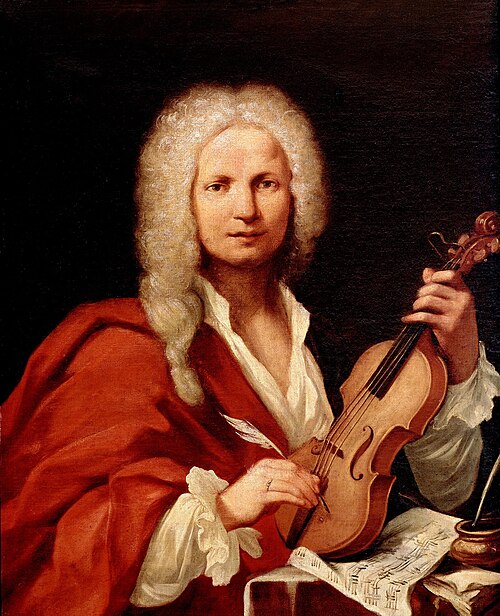 Antonio Vivaldi
1678–1741
Antonio Vivaldi
1678–1741
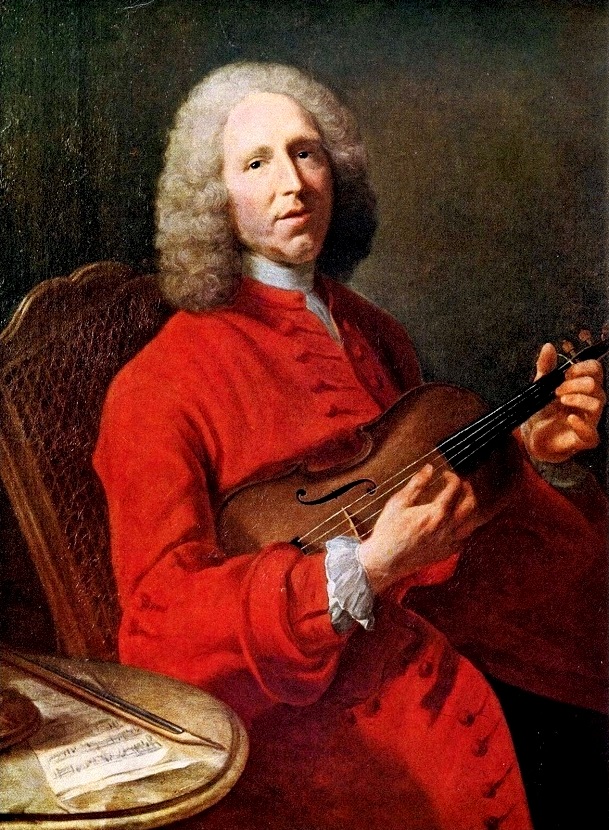 Jean-Philippe Rameau
1683–1764
Jean-Philippe Rameau
1683–1764
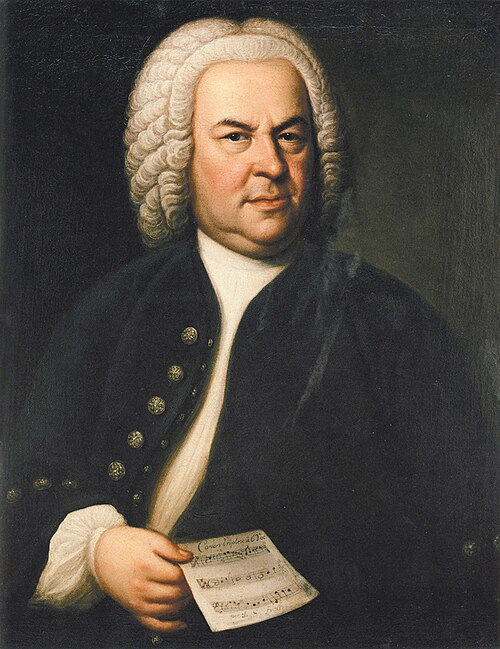 Johann Sebastian Bach
1685–1750
Johann Sebastian Bach
1685–1750
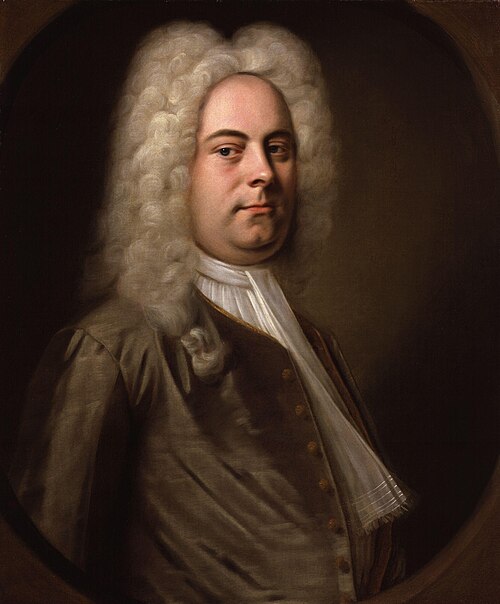 George Frideric Handel
1685–1759
George Frideric Handel
1685–1759
Notable people of the age
- Louis XIV (1638–1715) — The 'Sun King' himself — Lully's dance partner, employer and all-powerful patron.
- Molière (1622–1673) — France's great comic playwright, Lully's partner in the comédie-ballet.
- Isaac Newton (1643–1727) — Explaining the universe in England as Lully ruled music in France.
- Sir Christopher Wren (1632–1723) — Rebuilding London (and St Paul's) as Purcell filled its churches with music.
- King Charles II (1630–1685) — The music-loving 'Merry Monarch' whose court employed the young Purcell.
- Peter the Great (1672–1725) — Russian tsar who modernised Russia and founded St Petersburg.
- Daniel Defoe (c.1660–1731) — Author of Robinson Crusoe.
- Canaletto (1697–1768) — Painter famous for glowing views of Vivaldi's Venice.
- Voltaire (1694–1778) — The great French writer, who even wrote opera librettos for Rameau.
- King Louis XV (1710–1774) — The king who made Rameau his official court composer.
- Benjamin Franklin (1706–1790) — American inventor and statesman — flying kites while Bach wrote fugues.
- Frederick the Great (1712–1786) — Flute-playing Prussian king who gave Bach the royal theme for The Musical Offering.
- Jonathan Swift (1667–1745) — Author of Gulliver's Travels; dean of the Dublin cathedral whose choir sang in Messiah's premiere city.
- George II (1683–1760) — The king who (legend says) stood for the Hallelujah chorus.
- William Hogarth (1697–1764) — Painter and satirist of Handel's London.